
The importance of Islamic studies goes beyond gaining religious knowledge. It helps Muslims understand their faith, develop good character, make informed decisions, and build a stronger connection with Allah. Whether someone is a young Muslim learning the basics or an adult seeking a deeper understanding of Islam, studying Islamic teachings provides guidance for everyday life.
For Muslim families living in the United States, the United Kingdom, and Canada, Islamic education can also help children maintain their religious identity while growing up in multicultural communities. Learning about Islam gives them a foundation they can carry into school, friendships, family relationships, and future responsibilities.
Understanding the Foundations of Islam
One of the main reasons behind the importance of Islamic studies is that it teaches Muslims the essential principles of their religion. These include belief in Allah, the Prophets, the revealed Books, the Angels, the Last Day, and Divine Decree.
When learners understand these foundations, they become more familiar with what Islam teaches and why Muslims follow particular religious practices.
Islamic studies also introduces students to the Five Pillars of Islam: Shahadah, Salah, Zakah, Sawm, and Hajj. Understanding these pillars helps learners recognize the purpose behind acts of worship instead of treating them as daily routines without meaning.
Building Strong Islamic Character
Islamic education is not limited to memorizing information. It also teaches values that influence how Muslims treat other people.
The importance of Islamic studies becomes clear when students learn about honesty, patience, kindness, respect, forgiveness, and responsibility. These qualities are essential in family life, education, and professional relationships.
For example, a child who studies Islamic teachings about honesty may become more careful about telling the truth at school. Similarly, learning about kindness can encourage children to help their classmates and treat others respectfully.
Such lessons make religious knowledge meaningful because students can apply it in real situations.
Strengthening the Connection with the Quran
The Quran is the central source of guidance for Muslims. Studying Islam helps learners understand its message, appreciate its teachings, and develop a consistent relationship with its recitation.
However, reading the Quran correctly requires attention to pronunciation and recitation rules. Students can explore how to learn quran with tajweed at home to understand how regular practice and structured learning can support their progress.
The importance of Islamic studies also includes learning how Quranic teachings relate to everyday decisions. Understanding the meaning of verses can encourage reflection, patience, gratitude, and better behavior.
Developing a Better Understanding of Islamic Worship
Muslims perform acts of worship throughout their lives, but understanding their purpose makes these practices more meaningful.
Islamic studies explain the importance of prayer, fasting, charity, and other forms of worship. It also teaches students the basic conditions and manners associated with religious practices.
For example, learning about Salah helps children understand why Muslims pray five times a day and how prayer strengthens their relationship with Allah.
Students who want to improve their Quran recitation can also learn about is tajweed compulsory and understand the role of correct Quranic pronunciation in recitation.
Helping Children Develop a Strong Muslim Identity
Children growing up in multicultural environments may encounter different beliefs, lifestyles, and social expectations. Islamic education gives them an opportunity to understand their religious identity without feeling disconnected from the wider community.
Parents can introduce Islamic studies through age-appropriate stories, Quran lessons, discussions about the Prophets, and practical examples from daily life.
The importance of Islamic studies for children is especially noticeable when they begin asking questions about their beliefs. Instead of receiving memorized answers alone, they should have opportunities to understand basic Islamic concepts and discuss them in a supportive environment.
This approach can help children develop confidence, respect for others, and a clearer understanding of their responsibilities as Muslims.
Supporting Lifelong Learning and Personal Growth
Islamic education is valuable at every stage of life. Beginners may need to learn Arabic letters and basic beliefs, while more experienced students may wish to study Tafsir, Hadith, Fiqh, or advanced Quran recitation.
There is no single learning path suitable for everyone. Some learners prefer individual lessons, while others benefit from group discussions or structured online courses.
The importance of Islamic studies is also reflected in the opportunity it provides for continuous self-improvement. As learners gain knowledge, they can revisit their habits, improve their worship, and develop a more thoughtful approach to daily challenges.
Memorization students, for instance, can benefit from practical guidance on how to revise memorized Quran and maintain what they have already learned.
Making Islamic Education Accessible Through Online Learning
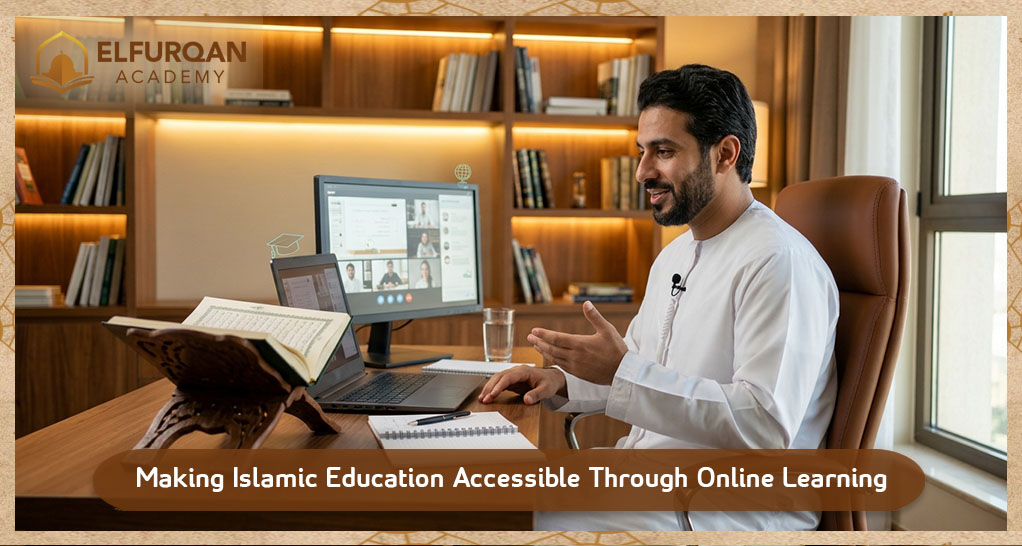
Online Islamic education has made religious learning more accessible to families with busy schedules. Students can attend lessons from home without needing to travel to a local learning center.
This can be particularly helpful for Muslim families in the United States, the United Kingdom, and Canada, where work commitments, school schedules, and travel distances may affect access to regular Islamic classes.
El Furqan Academy is an option families can explore when looking for organized online Islamic and Quran education. Before enrolling, parents should review the available subjects, teachers’ qualifications, lesson arrangements, and teaching methods to determine whether the program meets their needs. When comparing learning options, families should consider:
- The student’s age and current knowledge.
- The subjects covered in the lessons.
- The teacher’s experience and teaching approach.
- Class schedules and available learning formats.
- Opportunities to ask questions and receive feedback.
El Furqan Academy can be considered as part of this research when families compare online learning opportunities.
Creating a Consistent Islamic Learning Routine
Regular learning is often more effective than studying many topics in one sitting. Parents and adult learners can create a simple weekly schedule that balances Islamic knowledge with Quran reading and revision.
For example, beginners can dedicate certain days to learning basic beliefs, understanding Salah, and studying short Quranic Surahs. Students interested in memorization may also benefit from following a Juz Amma memorization schedule that divides the learning process into manageable steps.
The importance of Islamic studies becomes more practical when knowledge is connected to consistent habits. Even a short daily lesson can help learners make steady progress over time.
El Furqan Academy may be worth exploring for families who prefer organized online lessons, while the final choice should depend on each student’s goals and the program’s actual offerings.
Frequently Asked Questions About Islamic Studies
This section answers common questions about the importance of Islamic studies and explains how Islamic education supports faith, character, and everyday life.
1. What is the main purpose of Islamic studies?
The main purpose is to help Muslims understand their religion, learn its teachings, improve their worship, and apply Islamic values in everyday life.
2. At what age should children start learning Islamic studies?
Children can begin with simple Islamic concepts, short Surahs, and basic manners at an early age. Lessons should match their understanding and gradually become more detailed as they grow.
3. Can adults study Islam without previous knowledge?
Yes. Adults can start with the basic beliefs, the Five Pillars, Quran reading, and essential acts of worship before moving to more advanced subjects.
4. How can parents encourage children to continue learning Islam?
Parents can create a positive learning environment, use age-appropriate resources, discuss Islamic values in everyday situations, and recognize their children’s progress without putting unnecessary pressure on them.
Conclusion
The importance of Islamic studies lies in its ability to connect religious knowledge with everyday life. It helps Muslims understand their beliefs, strengthen their relationship with the Quran, develop good character, and pass meaningful values to the next generation.
Whether learning at home, attending local classes, or exploring online education through options such as El Furqan Academy, the most important step is to build a consistent learning routine based on reliable Islamic knowledge and the student’s individual needs.